

Yeah, so you're probably wondering if cable cars have a suspension system. Well, as a cable car supplier, I'm here to break it down for you.

First off, let's talk about what a suspension system is. In general, a suspension system is designed to support the weight of a vehicle, absorb shocks from the road or track, and keep the vehicle stable and comfortable to ride in. When it comes to cable cars, the situation is a bit different compared to regular vehicles like cars or trucks.
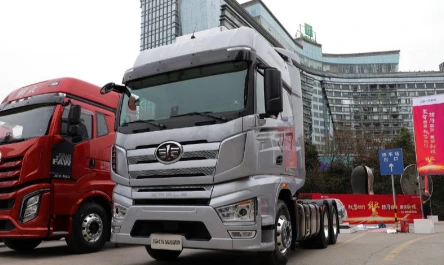
Cable cars operate on a cable that's usually strung between two or more points. They're pulled along by this cable, and their movement is guided by it. Now, do they have a traditional suspension system like you'd find in a Heavy Duty Truck HOWO T5G Tractor or a car? Not exactly.
But that doesn't mean cable cars don't have something that serves a similar purpose. Cable cars typically have a set of wheels or rollers that run along the cable. These wheels are often mounted on some sort of flexible or spring - loaded mechanism. This setup helps to absorb minor vibrations and irregularities in the cable. For example, if there's a small kink or a bit of slack in the cable, the spring - loaded wheels can adjust to it, keeping the ride relatively smooth.
The main function of this "pseudo - suspension" in cable cars is to ensure that the car stays in contact with the cable and doesn't derail. It also helps to reduce the impact of sudden movements or changes in the cable's tension. When the cable car starts or stops, there can be a bit of jerking. The flexible wheel mounts help to dampen this effect, making the ride more comfortable for passengers.
Another aspect to consider is the structure of the cable car itself. The body of the cable car is usually built with some flexibility. It's made of materials that can bend and flex slightly without breaking. This flexibility acts as an additional form of suspension. It allows the car to adapt to the shape of the cable and any movements along the route.
Now, let's compare cable cars to other types of transportation. Take a Heavy Duty Truck HOWO Enclosed Trucks. These trucks have a full - fledged suspension system with springs, shock absorbers, and linkages. The suspension in trucks is designed to handle the weight of the cargo and the rough terrain on the roads. They need to be able to absorb big bumps and potholes to keep the load stable and the ride safe.
In contrast, cable cars operate on a relatively smooth cable. They don't encounter the same kind of rough surfaces as trucks. So, their "suspension" requirements are different. However, just because they don't need a complex suspension like a truck doesn't mean their setup isn't important.
The safety of cable cars also depends on this so - called suspension system. If the wheels or the flexible mounts fail, the cable car could lose contact with the cable, which is a major safety hazard. That's why regular maintenance and inspections are crucial. We, as cable car suppliers, make sure to provide high - quality components for these suspension - like systems.
Let's talk about some of the different types of cable cars and how their "suspension" works. There are aerial cable cars, which are often used in mountainous areas for tourism or transportation. These cable cars are suspended from a single cable. The wheels on these cars are designed to roll smoothly along the cable, and the flexible mounts help to keep the car level. They also need to be able to withstand strong winds and changes in altitude.
Then there are surface cable cars, which run on tracks at ground level. These cable cars may have a more complex wheel and suspension setup. They need to deal with factors like turning, stopping, and starting on a flat surface. The suspension in these cars helps to ensure that the ride is comfortable and that the car can move smoothly around curves.
Now, you might be thinking about the future of cable car suspension systems. With advancements in technology, we're constantly looking for ways to improve the performance and safety of cable cars. New materials are being developed that can make the flexible mounts even more effective. We're also exploring the use of sensors to monitor the condition of the cable and the suspension system in real - time.
If you're in the market for a cable car, whether it's for a tourist attraction, a transportation project in a city, or something else, it's important to understand the role of the "suspension" system. A well - designed cable car with a reliable suspension - like setup will provide a smooth and safe ride for your passengers.
As a cable car supplier, we have a wide range of options available to meet your specific needs. Whether you need a small cable car for a private resort or a large - scale system for a major city, we can help. Our team of experts can work with you to design the perfect cable car system, taking into account factors like the terrain, the number of passengers, and your budget.
If you're interested in learning more about our cable cars or have any questions about the suspension systems, don't hesitate to get in touch. We're here to answer all your queries and help you make the best decision for your project. You can also check out other great transportation options like the New Liberation J7 580 if you're looking for something different.
In conclusion, while cable cars don't have a traditional suspension system like other vehicles, they do have a setup that serves a similar purpose. This setup is crucial for the smooth operation, safety, and comfort of the cable car. So, if you're considering a cable car project, make sure to choose a supplier who understands the importance of this system.
References
- General knowledge of cable car engineering and transportation technology.
- Industry reports on cable car design and safety standards.


