

As a seasoned heavy-duty tractor supplier, I often encounter inquiries about the maximum slope a heavy-duty tractor can climb. This is a critical question for many industries, including construction, mining, and agriculture, where tractors need to operate on various terrains. In this blog post, I'll delve into the factors that determine a tractor's climbing ability and provide insights into the maximum slopes our tractors can handle.
Understanding the Basics of Tractor Climbing Ability
The ability of a heavy-duty tractor to climb a slope depends on several key factors:
Power and Torque
Power and torque are the primary determinants of a tractor's climbing ability. Power is the rate at which work is done, while torque is the rotational force that enables the tractor to move. A tractor with high power and torque can generate the necessary force to overcome the gravitational pull and friction when climbing a slope. Our Heavy Duty Truck HOWO-7 Tractor is equipped with a powerful engine that delivers exceptional torque, allowing it to tackle steep slopes with ease.
Traction
Traction is the grip between the tractor's tires and the ground. Good traction is essential for climbing slopes safely and efficiently. Factors that affect traction include tire type, tire pressure, and the condition of the terrain. Our tractors are fitted with high-quality tires designed to provide maximum traction on various surfaces. Additionally, some of our models, such as the HOWO SITRAK, feature advanced traction control systems that automatically adjust the power distribution to the wheels to optimize traction.
Weight Distribution
Proper weight distribution is crucial for maintaining stability and traction when climbing slopes. A tractor with a well-balanced weight distribution will be less likely to tip over or lose traction. Our engineers carefully design the weight distribution of our tractors to ensure optimal performance on slopes. For example, the LNG CNG Tractor Head is designed with a low center of gravity and a balanced weight distribution, making it stable and maneuverable on steep inclines.
Transmission
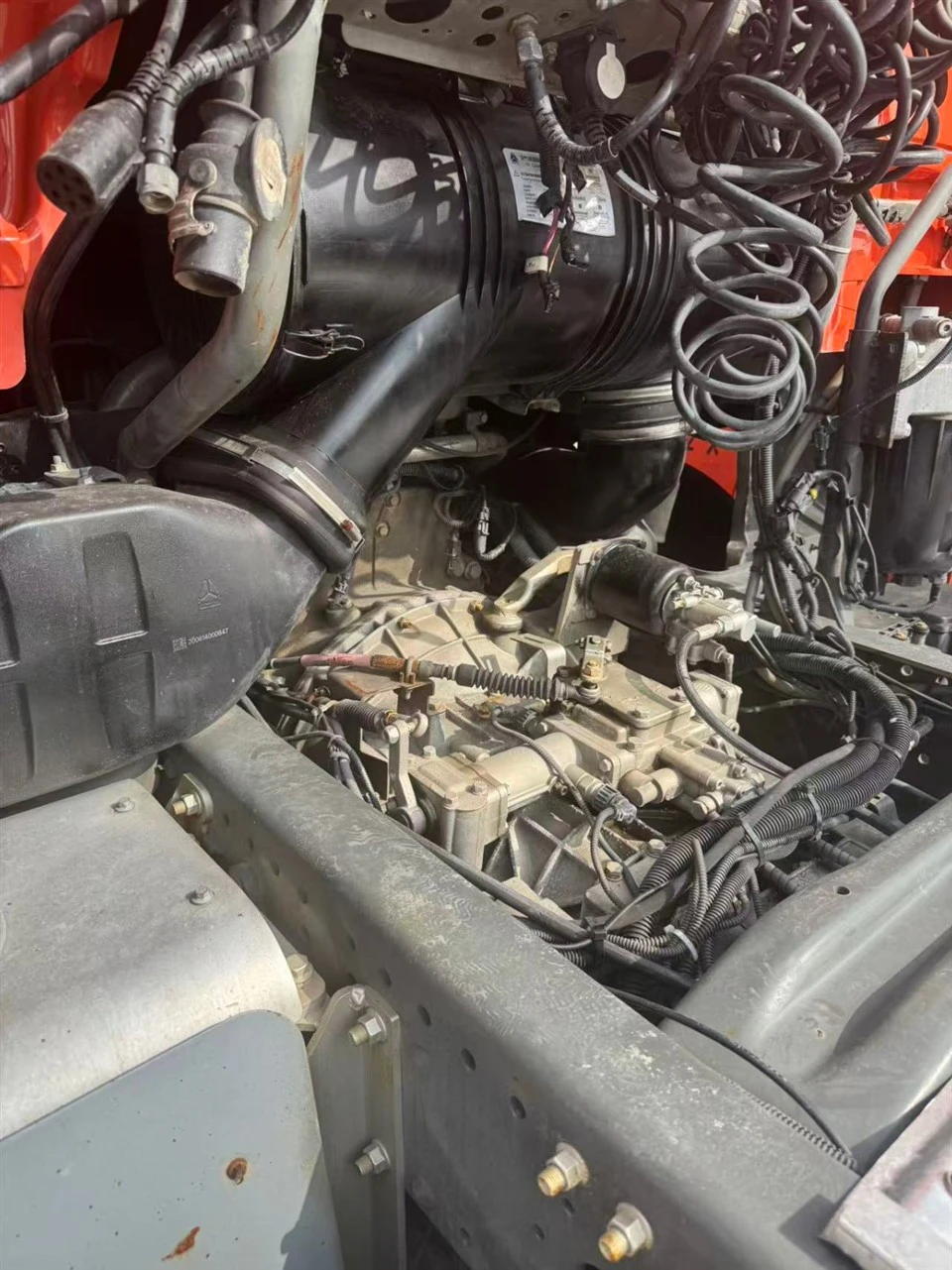
The transmission plays a vital role in a tractor's climbing ability. A good transmission allows the tractor to select the appropriate gear ratio for the slope, ensuring that the engine operates within its optimal power range. Our tractors are equipped with advanced transmissions that offer a wide range of gear ratios, allowing them to adapt to different slopes and load conditions.
Determining the Maximum Slope
The maximum slope a heavy-duty tractor can climb depends on the specific model and its configuration. However, as a general rule, most heavy-duty tractors can climb slopes of up to 30 degrees (approximately a 58% grade) under ideal conditions. These ideal conditions include a dry, firm surface, proper tire inflation, and a well-maintained tractor.
It's important to note that the maximum slope a tractor can climb may be reduced in less-than-ideal conditions. For example, a wet or slippery surface will reduce traction, making it more difficult for the tractor to climb a slope. Similarly, a heavily loaded tractor will require more power to climb a slope, which may limit its maximum climbing angle.
Safety Considerations
When operating a heavy-duty tractor on slopes, safety should always be the top priority. Here are some safety tips to keep in mind:
- Inspect the Tractor: Before climbing a slope, thoroughly inspect the tractor to ensure that it is in good working condition. Check the tires, brakes, steering, and other critical components.
- Choose the Right Gear: Select the appropriate gear for the slope to ensure that the engine operates within its optimal power range. Avoid overloading the engine or stalling the tractor.
- Maintain a Safe Speed: Climb the slope at a slow and steady speed to maintain control of the tractor. Avoid sudden acceleration or deceleration, as this can cause the tractor to lose traction or tip over.
- Use the Brakes Properly: When descending a slope, use the brakes sparingly to avoid overheating them. Instead, use the engine's compression to slow down the tractor.
- Be Aware of the Surroundings: Pay attention to the terrain, obstacles, and other vehicles when operating the tractor on slopes. Avoid sudden turns or maneuvers that could cause the tractor to lose balance.
Conclusion
The maximum slope a heavy-duty tractor can climb depends on several factors, including power, traction, weight distribution, and transmission. While most heavy-duty tractors can climb slopes of up to 30 degrees under ideal conditions, it's important to consider the specific model and the operating conditions when determining the maximum climbing angle.

At our company, we are committed to providing our customers with high-quality heavy-duty tractors that are designed to perform in the most challenging environments. Our tractors are equipped with advanced features and technologies that enhance their climbing ability, safety, and reliability.
If you're in the market for a heavy-duty tractor and have questions about its climbing ability or any other aspect of its performance, please don't hesitate to contact us. Our team of experts is available to provide you with detailed information and help you choose the right tractor for your needs. We look forward to the opportunity to discuss your requirements and explore potential partnerships.
References
- SAE International. (20XX). "Tractor Performance Standards."
- ISO. (20XX). "International Standards for Agricultural Tractors."
- Manufacturer's specifications for heavy-duty tractors.


