

Since the Regional Comprehensive Economic Partnership (RCEP) fully implemented tariff reductions for heavy machinery last year, Southeast Asia's construction sector has witnessed a transformative boom – and self dumping trucks have emerged as a cornerstone of this growth, becoming indispensable for large-scale infrastructure projects across the region. New data from the ASEAN Construction Equipment Association (ACEA) reveals that demand for self-discharging trucks in Southeast Asia has risen by 38% year-on-year, driven entirely by RCEP's lowered trade barriers and the region's $2.3 trillion infrastructure development plan.
Prior to RCEP, import tariffs on self dumping trucks in key Southeast Asian markets like Indonesia, Vietnam, and Thailand ranged from 15% to 25%, making international models costly for local construction firms. But under the agreement, tariffs for heavy-duty vehicles – including self dumping trucks – were slashed to 5% or lower, opening the door for more affordable access to high-quality equipment. "RCEP removed the biggest barrier for our industry," said Siti Aminah, a project manager at Malaysia-based construction firm Gamuda Berhad. "Before, importing a single self-discharging truck cost us an extra $12,000 in tariffs. Now, we can expand our fleet faster, which lets us take on larger projects like the new Kuala Lumpur-Singapore high-speed rail link."
The surge in self-discharging truck adoption aligns with Southeast Asia's push to upgrade its aging infrastructure. Countries like Vietnam are investing $45 billion in road and bridge projects this year, while Indonesia's new capital, Nusantara, requires thousands of heavy vehicles to transport construction materials. Self-discharging trucks, with their ability to unload sand, gravel, and concrete quickly at job sites, have become the go-to choice for these projects. "Nearly 70% of the materials used in Nusantara's construction are moved by self dumping trucks," said an official from Indonesia's Ministry of Public Works. "Their efficiency means we can stay on schedule, even with tight deadlines for the capital's first phase."
Regional and international manufacturers are rushing to meet the demand. Chinese brands, which already hold a 42% share of Southeast Asia's self-discharging truck market, have expanded local assembly plants in Thailand and Vietnam to reduce delivery times. Japanese firms like Isuzu have also launched RCEP-tailored models, emphasizing fuel efficiency for Southeast Asia's tropical climate. "We sold 2,800 self dumping trucks in Southeast Asia last quarter – a 50% increase from the same period in 2023," said a spokesperson for Sinotruk, a leading Chinese heavy machinery maker. "RCEP let us compete on price without compromising quality, which has won us contracts with major Thai and Filipino construction firms."
The ACEA predicts that demand for self-discharging trucks will stay strong for at least the next four years, as Southeast Asia continues to roll out infrastructure projects under RCEP's trade framework. "Self-discharging trucks aren't just a temporary trend – they're the backbone of Southeast Asia's construction future," said ACEA director Han Wei. "With tariffs remaining low and projects multiplying, we expect the region's self dumping truck fleet to grow by another 45% by 2028."
For local construction firms, the impact is immediate. "We've added 15 self-discharging trucks to our fleet since RCEP took effect," said Nguyen Minh, owner of a Vietnamese construction company. "They've cut our material transport time by 30%, and we're now able to bid on projects we never could before. RCEP didn't just lower tariffs – it unlocked our industry's potential, and self-discharging trucks are leading the way."
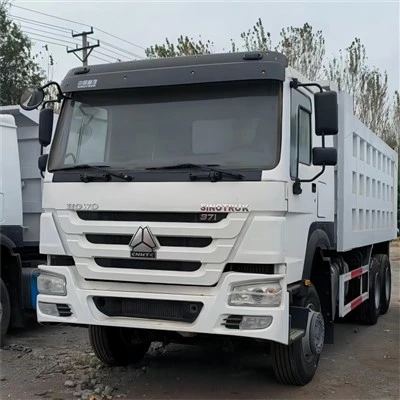
China self dumping trucks Manufacturer - Junshengda Automobile Trading
Jining Junshengda Automobile Trading Co., Ltd. was established in April 2022, focusing on the import and export of heavy trucks, trailers, engineering vehicles and accessories. Relying on more than 20 years' experience in product sales and foreign trade, the company is proficient in the structure and process of various vehicles and accessories, familiar with the whole export process, and can efficiently connect with global customers. At present, the products are exported to Africa, the United States, Asia and Central Asia, with an annual revenue of about 10million US dollars, which has continued to grow steadily in recent years.
Email: Junshengda189@aliyun.com


